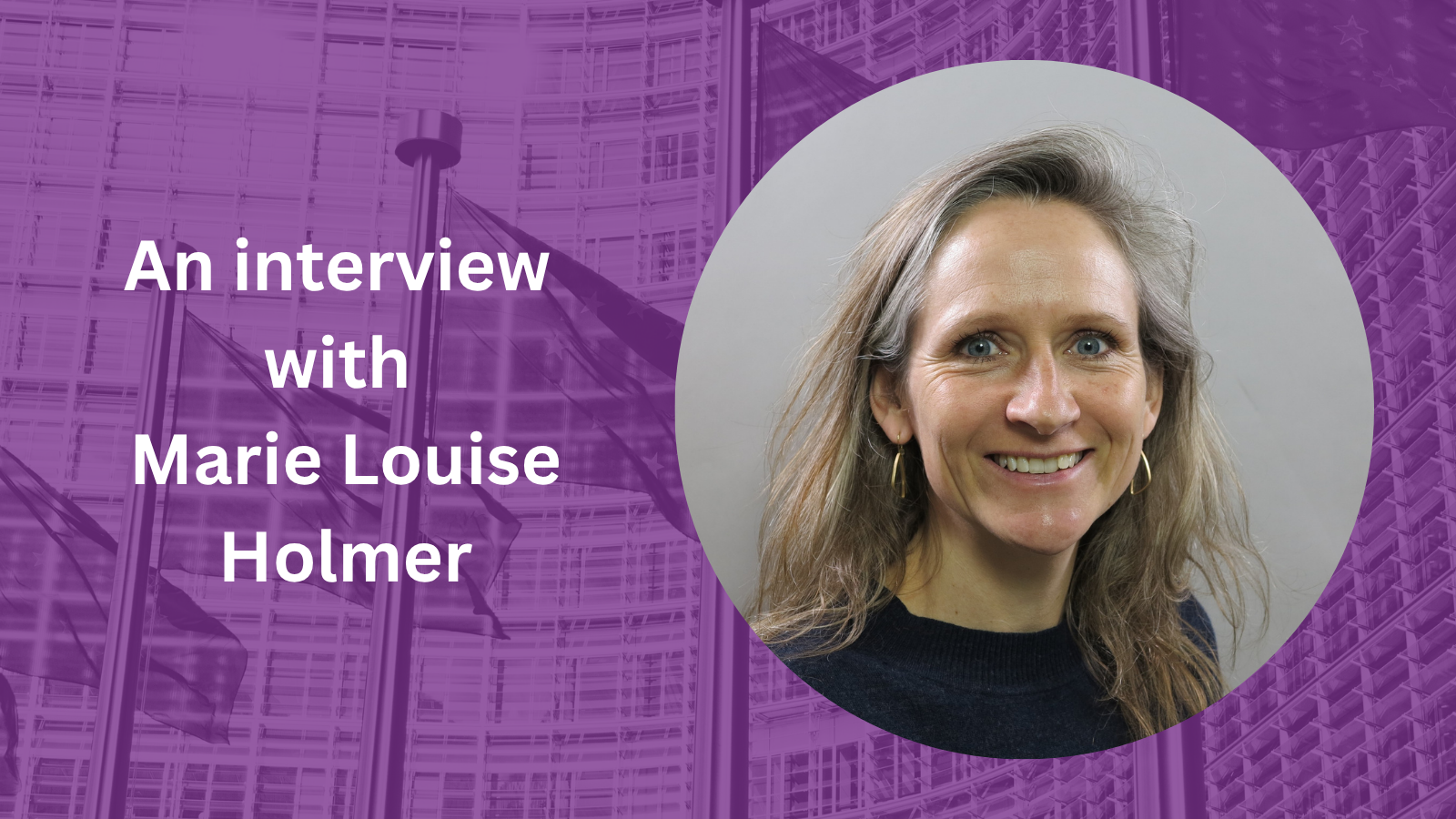
"Everyone should acknowledge that current EU regulation as it stands does not protect us from endocrine disruptors (EDs). In our everyday lives, we are exposed to many different substances from various sources, and they act together affecting our health and the environment," says Marie Louise Holmer, Special Consultant to the Research Group for Molecular and Reproductive Toxicology at DTU's National Food Institute, a MERLON partner.
Inspired by a strong drive to protect nature and her fascination with toxicology – how pollution affects human physiology, Marie wants to reduce our exposure to the most hazardous chemical substances, including EDs.
Identifying which chemicals have endocrine disrupting properties is the first step towards regulating and reducing our exposure to them. "My translation of how scientific findings can support ED identification, policy decisions, and regulation is how I can contribute to pushing societal development in a more sustainable direction," Marie says.
That's exactly the work that she does as a part of MERLON, helping the team to investigate the current state of the science in regulating EDs and exploring ways to improve these processes.
This is not an easy task, as regulation and policy processes are often very slow. "Substances are discussed and evaluated for decades, while global chemical production increases and more substances come on the market every day," says Marie, "The biggest challenge for me as a person is to maintain the belief that I continue to make a positive difference for nature and people."
Keeping her spirits up is especially hard in the current political atmosphere when national, EU, and global politics are shifting from green and sustainable development to preparing for war and industrial economic crises, she explains.
What keeps her motivated is working alongside fellow scientists, policymakers, regulators and other key partners in the MERLON project and beyond. "I hope that MERLON can make a real difference by helping to improve ED identification and regulation in the EU," she says.
One of its strongest assets in her opinion is working directly with key people in the regulatory arena, such as ECHA, the European Commission, and OECD, to better understand their needs. This ensures that policymakers have the scientific backing they need to make strong health policy decisions.
"The most fascinating part of my job for me is the interplay between science, political initiatives, and protecting human health and the environment," she says, "I love pinpointing existing findings that can support policymakers and figuring out which scientific explorations are needed to support future regulatory processes."
Learn more about the MERLON project