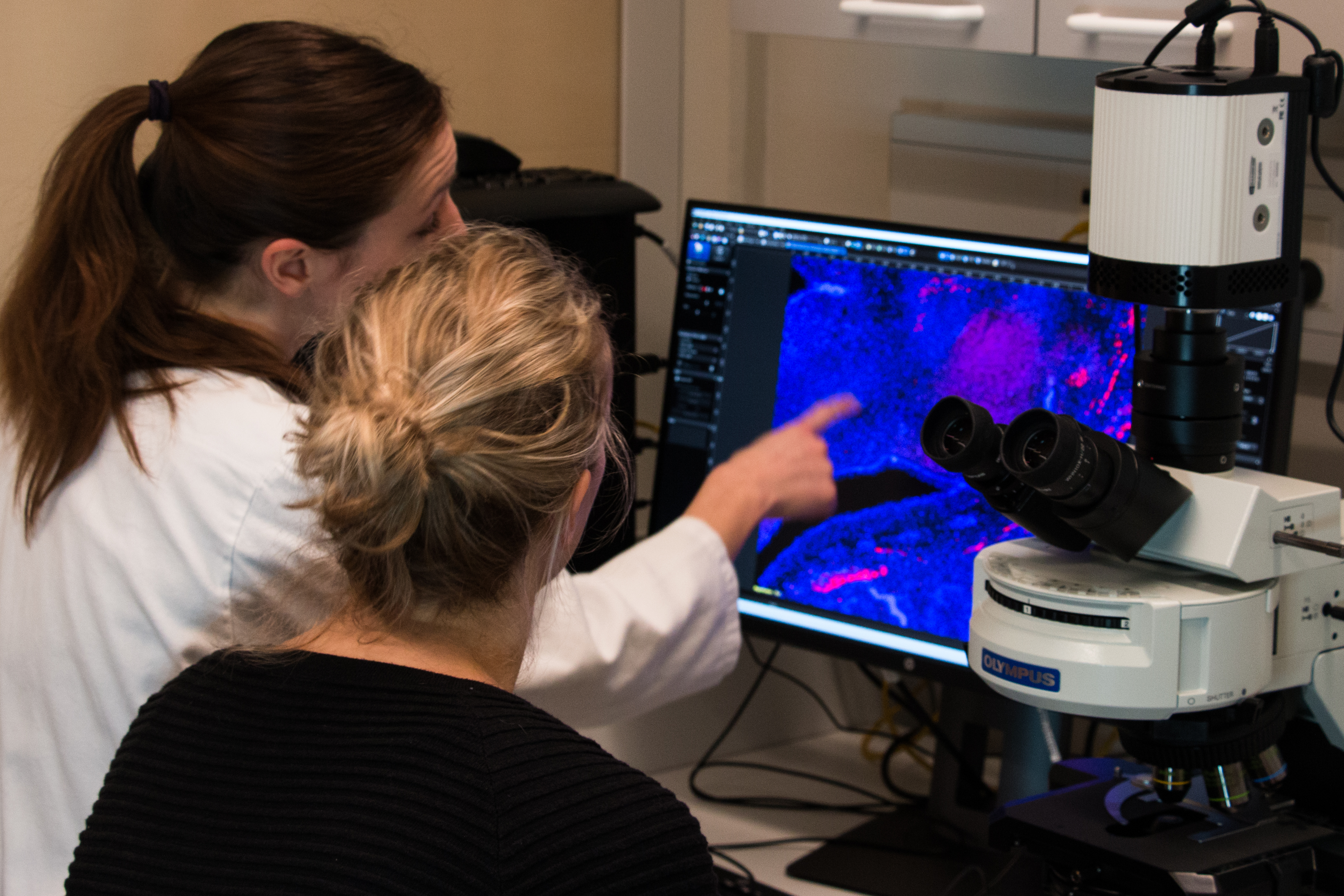
Protecting human reproductive health from endocrine disruptors
MERLON gathers experts from across Europe to better protect human reproductive health from the potential harm caused by endocrine disrupting chemicals. The project will provide chemical risk assessors and regulators with updated knowledge and tools to better identify and regulate these substances.
Monday 17 June 2024
Endocrine disrupting chemicals and reproductive health
EDCs are synthetic substances that can interfere with the normal functioning of our body’s hormone system and consequently impact people’s health. EDCs can cause a broad variety of health problems, including sexual and reproductive health issues.
The prevalence of hormone-related health issues caused by exposure to EDCs is a significant societal challenge. Funded by the EU, MERLON will conduct research to shed light on the possible connection between EDCs and the increase in reproductive disorders and a decline in fertility rates over the past decade.
“Reproductive health is integral to everyone’s life, but chemical exposures are putting it at risk. This threatens our well-being, and we owe it to future generations to get our act together.”
Terje Svingen, Professor and Head of Research Group - DTU National Food Institute and MERLON project coordinator
Identifying and regulating EDCs
To reverse these health trends, we need to not only better understand them but also for policymakers to regulate the substances that may be behind them.
This five-year project, bringing together experts from 11 partner institutions, will apply novel testing methods such as adverse outcome pathways (AOPs) and new approach methodologies (NAMs) to develop and improve tools to better identify EDCs. NAMs are new tools and approaches for chemical testing that also aim to reduce or replace the use of animals for toxicity testing.
Ultimately MERLON aims to empower chemical risk assessors and policymakers with the knowledge and tools to better regulate EDCs protecting both human health and the environment.